New Certification: Fundamentals of Deep Learning by NVIDIA
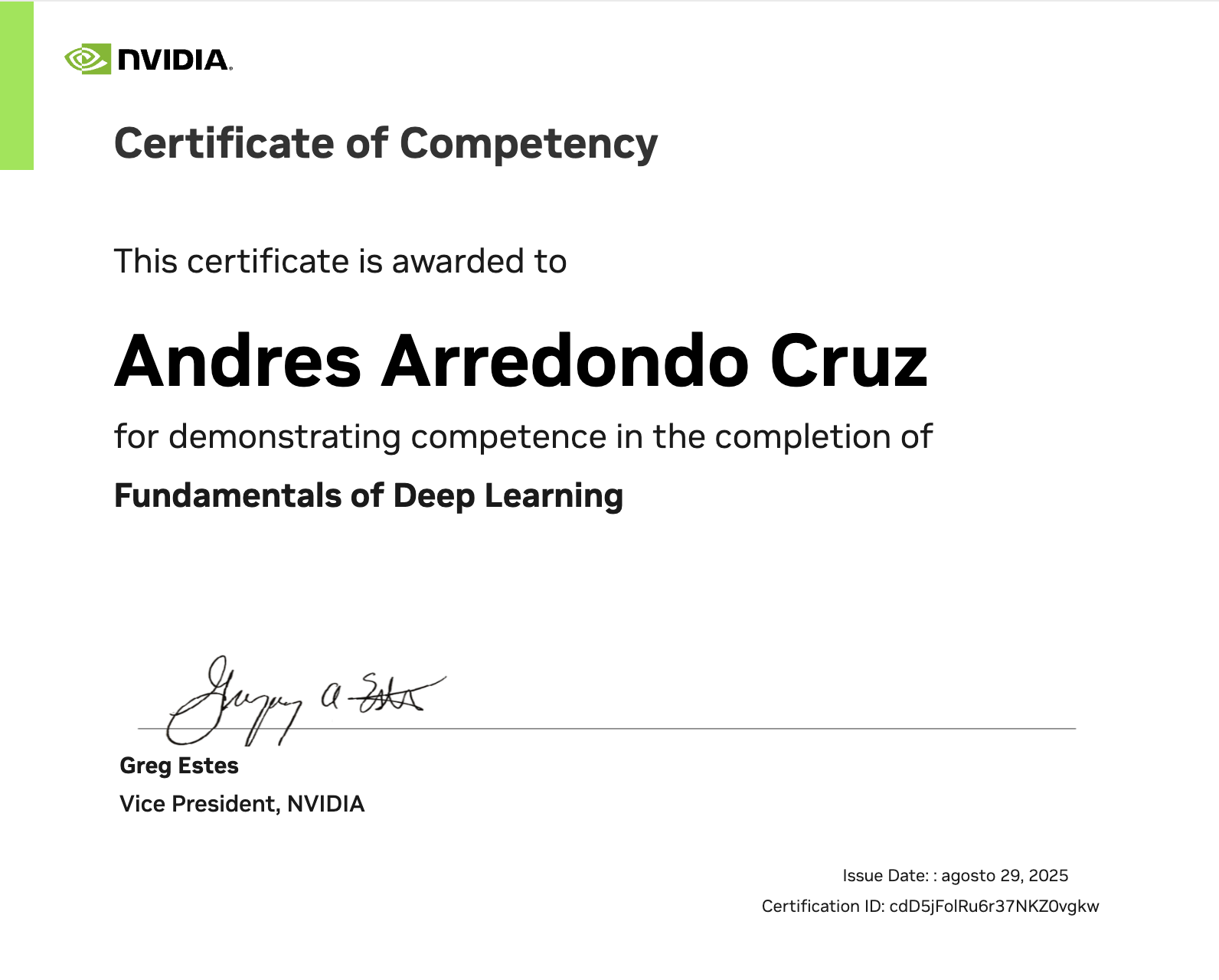
Hands-on Training in Deep Learning, Computer Vision, and Transfer Learning
I successfully completed the Fundamentals of Deep Learning course offered by NVIDIA, an intensive hands-on program focused on the core concepts and practical implementation of deep learning models accelerated with GPU computing.
Institution:
NVIDIA Deep Learning Institute (DLI)
Online / Instructor-led
Year: 2025
Deep learning has become a key methodology across scientific research, enabling the analysis of complex and high-dimensional data such as images, signals, and text. This course provided a solid foundation in neural networks, convolutional architectures, and model optimization, with a strong emphasis on practical implementation and real-world applications.
Throughout the training, I worked directly with Python-based deep learning frameworks to design, train, and evaluate models, while leveraging GPU acceleration to improve training efficiency and scalability.
Course Gallery
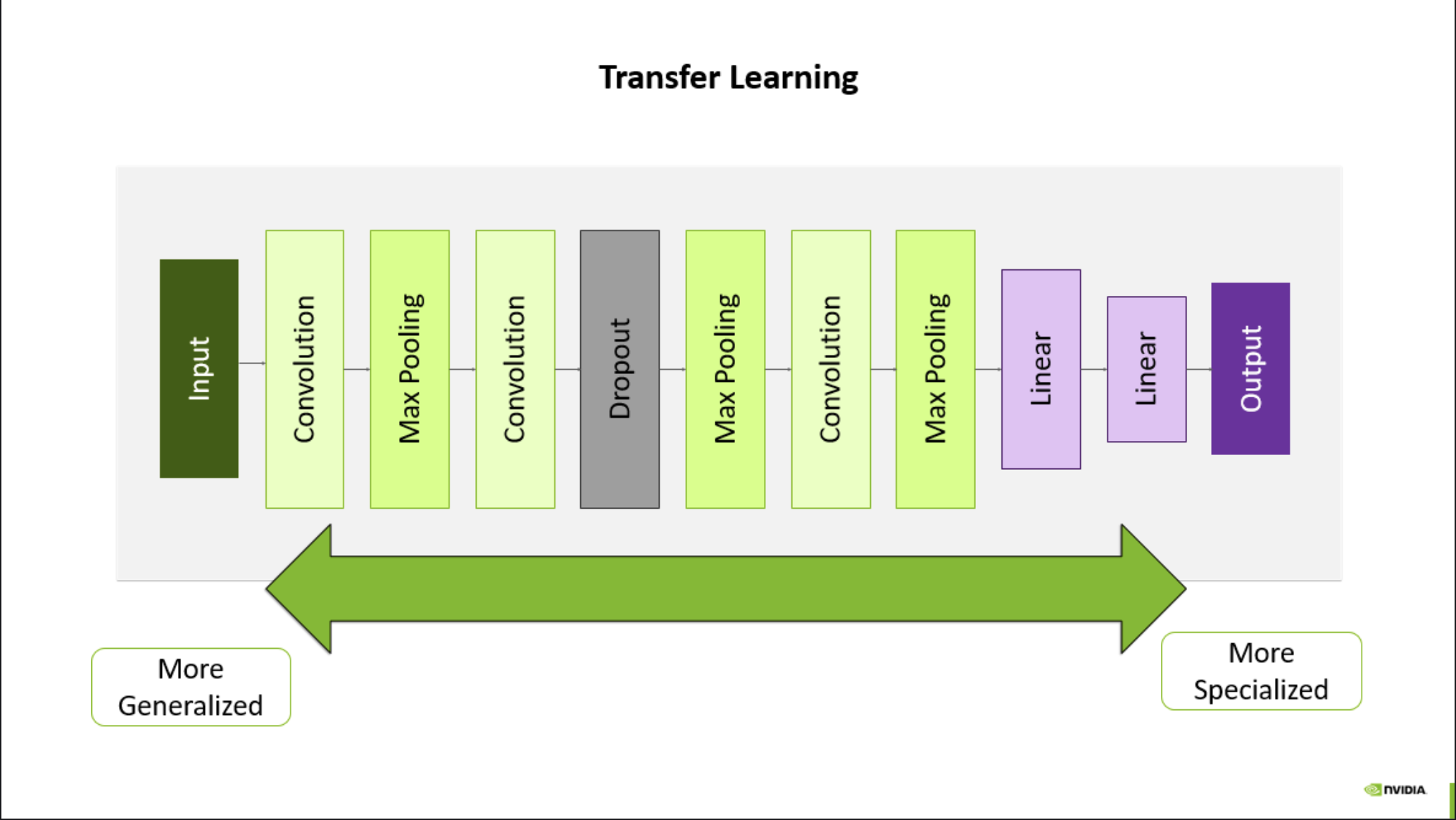
Model training workflow
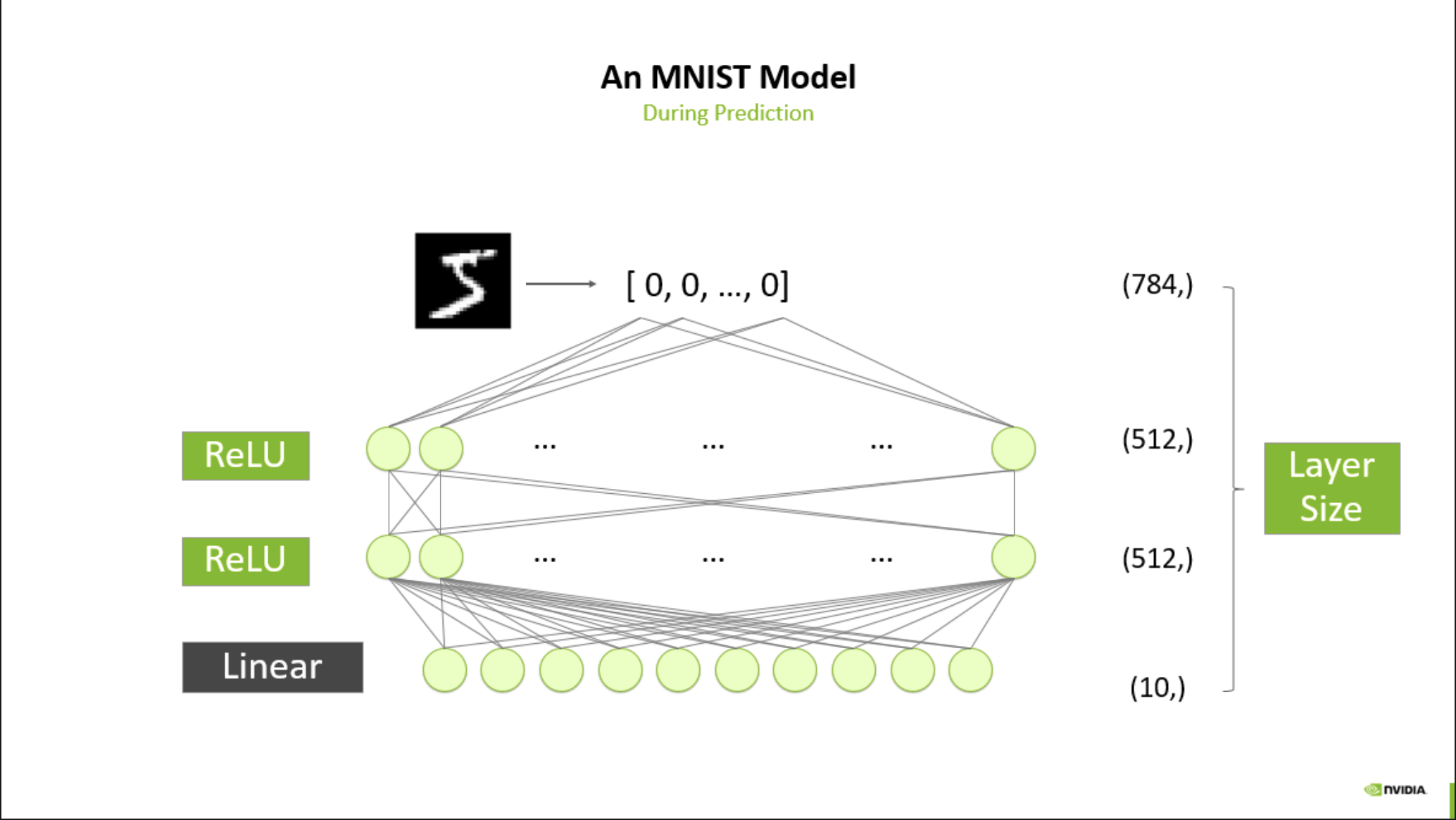
Trained a convolutional neural network on the MNIST dataset
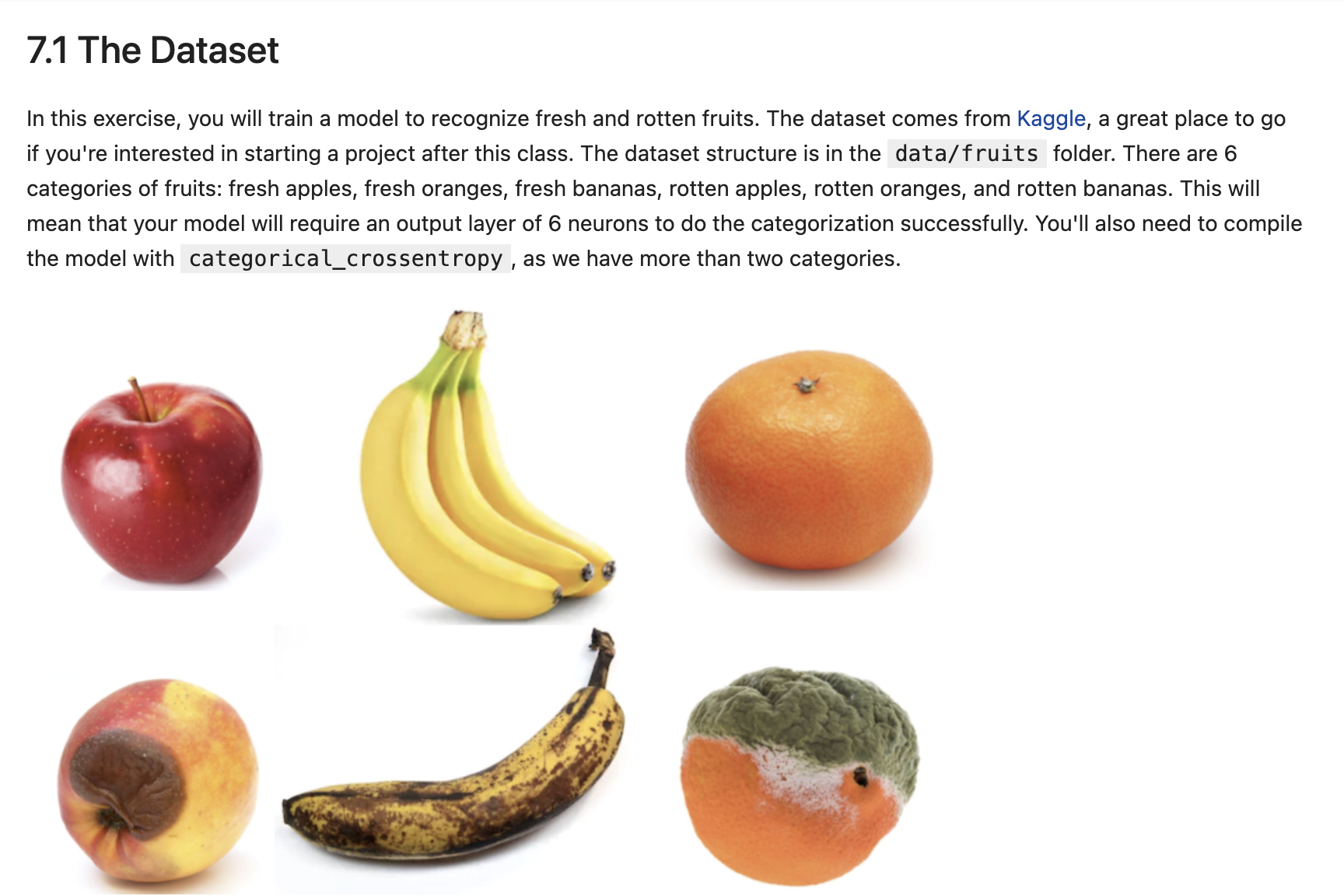
Final project development
Key Learning Objectives
The main objectives of this course included:
- Neural Network Fundamentals: Understanding the mechanics of neural networks, loss functions, and optimization through backpropagation.
- Computer Vision: Training convolutional neural networks (CNNs) for image classification tasks.
- Data Augmentation: Improving model generalization through augmentation techniques.
- Transfer Learning: Fine-tuning pre-trained models to solve specific tasks efficiently.
- Large Language Models (LLMs): Introduction to the use of large language models for text-based question answering.
- GPU Acceleration: Leveraging NVIDIA GPUs to speed up model training and inference.
Technical Skills Developed
During the course, I strengthened my skills in:
- Deep Learning with Python: Model development and training using modern deep learning frameworks.
- Convolutional Neural Networks (CNNs): Design and optimization of architectures for image-based tasks.
- Transfer Learning: Feature extraction and fine-tuning of pre-trained networks.
- Data Generation: Building data generators to expand small datasets and improve model robustness.
- Model Evaluation: Assessing performance and improving models through iterative refinement.
Final Project
As part of the final assessment, I trained a deep learning model to classify fresh and rotten fruit from images. The objective was to achieve a minimum validation accuracy of 92%, requiring the application of skills developed throughout the course. To meet this requirement, I implemented transfer learning, data augmentation, and model fine-tuning to improve performance and generalization from a limited dataset.
Once the model reached the required accuracy, it was saved and evaluated on a validation dataset, reinforcing best practices in model assessment, reproducibility, and optimization.
Impact and Takeaways
This course strengthened my ability to apply deep learning techniques in research-oriented environments and reinforced my interest in integrating artificial intelligence into scientific workflows. The hands-on nature of the training, combined with GPU-accelerated computing, provided practical experience directly applicable to data-driven research in biology, agriculture, and beyond.